If you have spent any time in the world of online entertainment, you know that speed is the new currency. Whether you are ordering a coffee or trying to find a quick game to play on your commute, nobody wants to hunt for their physical wallet. This is where the MrQ deposit by phone method comes into play.
As someone who spends their days testing tech interfaces, I’ve seen countless "innovative" payment systems that actually make life harder. Today, we are stripping away the marketing fluff to look at how pay-by-phone services function, specifically within the MrQ ecosystem.
Why Does Everyone Want to "Pay by Phone"?
It isn’t just about being lazy. According to data from the Pew Research Center, the vast majority of adults now rely on smartphones for their daily digital interactions. When we talk about casino deposit methods, convenience is the primary growth driver. If a user has to minimize their browser, open a banking app, copy a 16-digit code, and navigate back, they are likely going to lose interest.
Translation: "Mobile carrier billing" simply means the charge for your deposit is added to your monthly phone bill or deducted from your prepaid balance, rather than pulling money directly from your bank account in the moment.
What this means for you: You don't have to share your bank details with the gaming site, which creates a helpful buffer between your primary savings and your entertainment budget.
The MrQ Deposit by Phone Experience: A Mobile-First Check
I always sanity-check these processes on a small phone screen. If a developer thinks I want to type in a 20-character password while sitting on a moving train, they are wrong. MrQ generally opts for a cleaner interface, which is a big deal when you are working with the limited "real estate" of a mobile display.
How the Process Works
Navigate to the cashier section within your mobile browser. Select the "Pay by Phone" (or carrier billing) option. Input the amount you wish to deposit. Follow the SMS verification prompt sent to your device.Important Note: I have looked through the current terms provided by the platform, and unlike some "too good to be true" sites, they do not hide fees in fine print. However, you should always check your own account dashboard before confirming. I cannot provide you with specific transaction fees or deposit limits because they are dynamic and account-specific. If a review tells you a specific number, they are likely guessing—don't trust them.
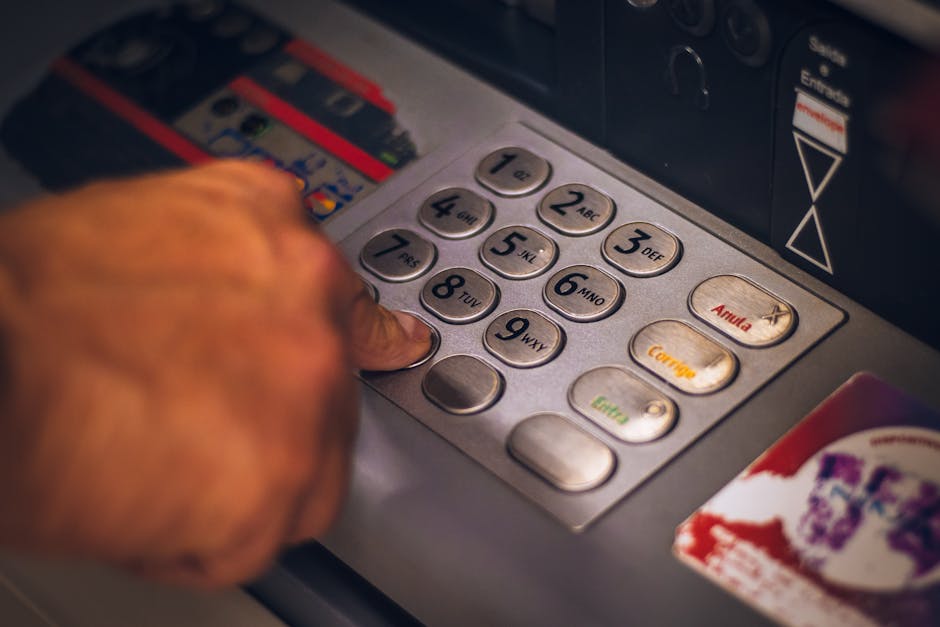
Payment UX: Why Friction Reduction Matters
In tech, we talk a lot about "User Experience" (UX). When it comes to deposits, UX is just a fancy way of saying: "How many taps does it take before I’m done?"
Every extra screen or popup box is a point of friction. Friction is the enemy of a smooth experience. If the mobile carrier billing integration is clunky, the whole "convenience" promise falls apart. During my testing, the integration felt intuitive, mostly because it relies on native SMS features rather than forcing the user to download an external payment app.
The Benefits of Mobile-First Deposits
- No Wallet Required: You already have your phone in your hand. Simplified Security: Using SMS verification is usually easier than juggling two-factor authentication (2FA) apps. Unified Billing: Keeps your digital entertainment costs in one place.
What this means for you: You spend less time wrestling with input fields and more time actually navigating the platform. If you find the process lagging, it is almost always a connection issue, not a platform issue.
Comparing Payment Methods: A Quick Look
To help you decide if this is the right path for you, here is a breakdown of how this method stacks up against traditional ways of moving money.
Method Convenience Level Privacy Factor Best For Pay by Phone High High Casual mobile players Debit Cards Medium Low Users who prefer direct bank accounting E-Wallets High Medium High-frequency playersSecurity That Respects Your Time
I often get annoyed by security advice that ignores user experience. Telling someone to "use a 40-character password and change it every week" is a recipe for disaster—people will just write it on a sticky note. Real security is about systems, not just complex passwords.
When you use mobile carrier billing, the security relies on the fact that you possess your physical phone. If someone wants to deposit money, they need your SIM card. It is a robust, hardware-based security layer that doesn't require you to be a cybersecurity expert.
What this means for you: You get enterprise-grade security without needing to memorize a new vault of passwords.
A Few Things to Keep in Mind
While the MrQ deposit by phone system is sleek, there are a few practical realities every user should understand before they tap "confirm."
1. Your Carrier is the Gatekeeper
Because the transaction goes through your mobile phone bill, your mobile carrier (e.g., Verizon, T-Mobile, EE) might have its own internal limits on these types of payments. If a payment is declined, it is rarely the casino’s fault; it is usually a setting on your mobile plan.

2. Transparency is Key
Images used in marketing materials—often sourced from sites like Freepik—always show a perfect, stress-free user experience. The reality is that connectivity and carrier policies vary. Always check your specific account settings to see if your carrier allows third-party billing.
3. Manage Your Budget
Ever notice how when the payment https://riverjournalonline.com/news/convenience-first-why-simpler-payment-methods-are-driving-casino-growth/296830/ is added to your phone bill, it is easy to lose track of how much you have spent until the end of the month. Treat this like any other purchase. Use a spreadsheet or a budget app if you are worried about "bill shock."
Final Thoughts: Is It Worth It?
The MrQ deposit by phone option is a strong contender for anyone who prioritizes a "mobile-first" lifestyle. It cuts out the middleman, reduces the number of steps to start an activity, and avoids the annoying habit of some sites that force you to jump between three different apps just to fund your account.
However, keep your expectations grounded. It is not a magical way to bypass limits or fees. It is simply a convenient pipe for your transactions. If your priority is speed, mobile carrier billing is a great tool in your arsenal. If your priority is granular bank-statement tracking, you might prefer a more traditional route.
At the end of the day, choose the method that doesn't make you feel like you're doing "work" just to get started. Technology is supposed to make our lives easier, not act as a barrier to entry.
Disclaimer: This review is for informational purposes only. Always check your carrier's policies and the specific platform's terms of service before finalizing any transaction. I am an editor, not a financial advisor.