Back in my days covering London’s nightlife, the "social" aspect of a venue was easily quantified. It was the density of the crowd, the volume of the jukebox, and the distinct lack of personal space at the bar. We were taught that community required physical proximity—a scheduled meetup, a booked table, and the logistical nightmare of syncing five people's calendars. But since I pivoted to the world of iGaming, I’ve found that our definitions of "social" were perhaps a bit narrow.
There is a quiet, persistent revolution happening in the world of online bingo. It’s a space that manages to be deeply communal without the heavy lifting of scheduling, RSVPing, or pretending you have the energy for a full night out when all you really want is a ten-minute break from the day.
From Dusty Halls to Digital Hubs: A Cultural Retrospective
To understand the current state of bingo, we have to acknowledge its roots. Historically, the bingo hall was the town square of the working class. It was where local news traveled, where generations mingled, and where the sense of "community" was tangible. However, the physical bingo hall landscape in the UK underwent a massive decline over the last two decades.
While the UK Gambling Commission has kept a tight leash on regulations to ensure fairness, the shift away from physical halls wasn’t just about policy. It was about lifestyle. The Office for Civil Society once noted how traditional social spaces were struggling to compete with the digital shift; people wanted the social dopamine hit without the commitment of a night in a drafty, smoke-filled hall.
Enter the online bingo room. It took the core mechanics of the game—the anticipation of the draw, the shared victory—and transplanted them onto the smartphone.
The Anatomy of a Ten-Minute Session
One of the biggest friction points in the digital age is the "time tax." Most apps demand hours of engagement to feel like you’ve achieved anything. This is why I have a soft spot for bingo. It is, at its heart, a ten-minute game.
A ten-minute game is simply a digital activity designed to provide a complete, satisfying experience within online bingo for isolation a very short window of time, perfect for a commute or a tea break.
When you drop into an online bingo room, you aren't committing to a social contract. There is no expectation for you to "be on." You aren't hosting, you aren't performing, and you don't need to coordinate with friends. You are simply sharing a digital space with others who, like you, are looking for a brief moment of structured fun.
The "Social Without Scheduling" Phenomenon
Is it truly social if you don't know the people in the chat box? Absolutely. This is what we call casual social interaction, where the presence of others is felt through shared timestamps and communal excitement, rather than direct conversation.
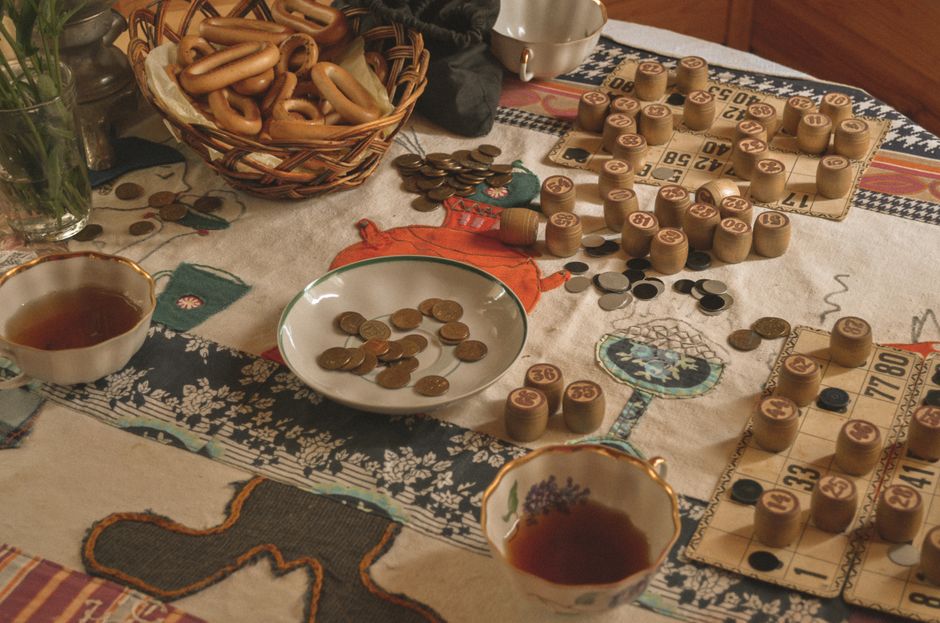
When someone wins a round, the room responds. It’s a collective "well done" that costs nothing and requires no emotional labor. It’s the digital equivalent of nodding at a regular in a coffee shop. You don’t need to know their life story to share the atmosphere.
A Quick Comparison: Hall vs. Web
If you're wondering how the experience stacks up, I've put together a breakdown of the differences I've observed over my years in the industry.
Feature Physical Bingo Hall Online Bingo Room Commitment High (Transport, fixed times) Low (Drop in/out) Social Dynamic Face-to-face, talkative Casual, text-based, shared atmosphere Entry Cost Variable, often higher Very accessible (tickets starting at 1p) Environment Public, fixed Anywhere you have a signalBeware the Marketing Smoke and Mirrors
As someone who has spent nine years looking at how these sites operate, I feel obligated to warn you about the "noise." You will often see sites screaming about "best odds" or "unbeatable bonuses." Ignore the shouty language. These are often vague claims with no context that do nothing to improve your actual experience.
What you should actually look for is clean navigation. If a site’s menu is messy—if you can't find the terms of a promotion in two clicks or if the bingo lobby looks like a digital jumble sale—run away. Friction in the user interface turns a relaxing ten-minute game into a chore.
Platforms like MrQ, for instance, often get it right because they focus on keeping the lobby intuitive. They understand that the player wants to spend their time playing, not figuring out how to navigate an overly complex dashboard.
Why Bingo Isn't Just for One Generation
One of my biggest pet peeves is the persistent industry myth that bingo is only for one age group. It’s a lazy marketing trope that ignores the fact that everyone, regardless of age, needs a simple, low-stakes way to connect with others.
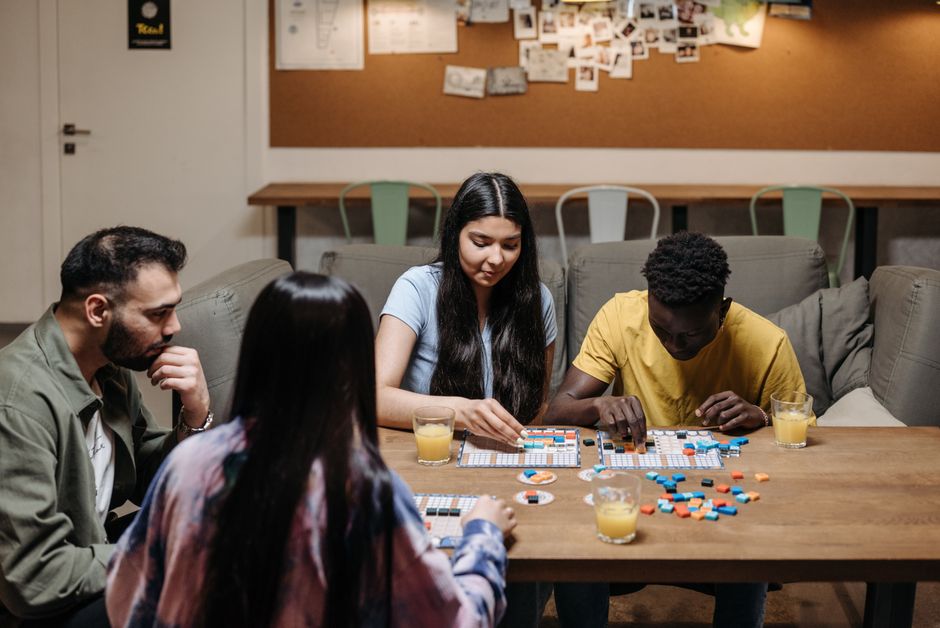
In the digital space, we are seeing a diverse mix of players. You have students on their lunch breaks, retirees looking for a familiar rhythm, and professionals who just want to turn their brains off for a few minutes. The technology has democratized the game. You don’t need to be a digital native; you just need to appreciate the simplicity of the draw.
Final Thoughts: The Importance of the "Drop-In" Culture
If you're feeling a bit isolated or just bored with the endless scroll of social media, online bingo rooms offer something different: a sense of "together-alone."
You can drop in, play a few rounds with tickets starting at 1p, and leave whenever you like. There’s no pressure to be the life of the party, no expectation to reply to messages, and no need to coordinate your schedule with anyone. It is, perhaps, the most honest form of social gaming we have left. It’s a ritual that fits into real life, rather than asking real life to stop so you can participate.
So, the next time you have a spare ten minutes, don't feel the need to call a friend or check your notifications. Just find a quiet corner, pull out your smartphone, and see who else is in the room. You might be surprised at how much community you find in the silence.
Disclaimer: As with all forms of gambling, please remember to play responsibly. Set limits, stick to them, and if the fun stops, stop. If you need support, organizations like GambleAware provide free, confidential advice.