Between you and me, the days following the expiry of a gambling time-out—say, after six weeks—can be an interesting and sometimes tricky period. Whether you’ve paused your account on sites like MrQ or taken a break following NHS advice, the restart of gambling activity isn’t always straightforward. What actually changes when your casino account reactivation happens? How do your habits and risks shift? And crucially, what tools should you be using to keep control?
Understanding the Gambling Time-Out and Its Expiry
A gambling time-out is a self-imposed break from wagering, commonly offered by online platforms such as MrQ and recommended as part of responsible gambling guidance from organizations like the NHS. These breaks can last anywhere from 24 hours to six weeks or longer. The idea is to create some breathing room for reflection, reduce impulse-driven betting, and help curb losses.
When those six weeks are up—post time-out gambling access resumes. Your account is reactivated, and the tempting spin button is once again clickable. But here’s the catch: simply resuming play without a strategy can often lead back into the same unhelpful patterns.
The Real Cost of Gambling: Not an Investment, but a Bounded Purchase
You know what’s funny? Many people treat gambling like an investment—thinking they’ll “beat the odds” or “win it back,” when in fact, it’s more like buying a ticket to an amusement ride. You pay for the experience, the thrill, the chance to win, but you should expect a cost in return.
For example, imagine you’re playing a slot game that costs twenty pence a spin like those common on MrQ. Most of these games have a house edge, meaning the casino statistically keeps a percentage of the total money bet over time.
Putting Numbers on It
Spin Cost Average Spins per Hour House Edge Average Cost per Hour £0.20 600 6% £7.20How do we get the cost per hour? If you do 600 spins an hour at twenty pence each, that’s £120 bet. With a 6% house edge, your expected loss over an hour is £7.20. It’s the same as paying £7.20 for that hour of entertainment—not a way to make money, but a price paid.
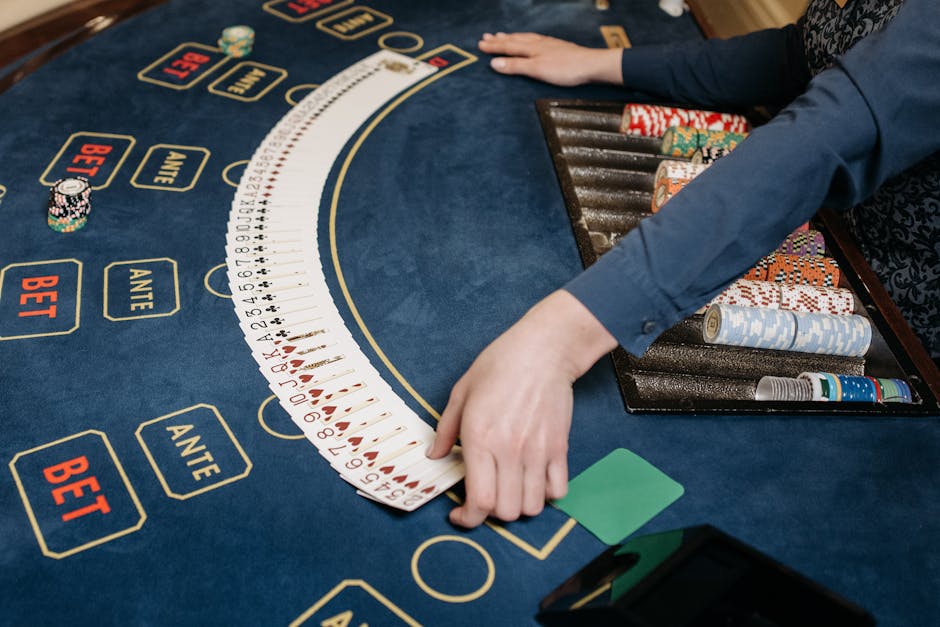
Ever notice how nobody talks like this when they restart gambling after a break? Instead, people focus on “winning back losses” or chasing jackpots, forgetting that the system is designed so the house wins more often than not.

Post Time-Out Gambling Access: How to Stay in Control
When you return from a six-week time-out, or any extended break, it can be easy to slip right back into old habits. The excitement of account reactivation can blur your judgment, especially if you forget the reality checks that helped you before.
The Tools You Might Be Ignoring
- Deposit Limits: These allow you to set a maximum amount you can deposit within a day, week, or month. Reality Checks: Timed pop-ups remind you how long you’ve been playing, helping reduce the risk of time distortion. Session Reminders and Loss Limits: Additional safety nets that prevent runaway losses and excessive play.
Notice something? Although these tools are widely available on MrQ and other regulated sites, many gamblers never set them up. The NHS gambling clinics and responsible gambling teams often find this frustrating because such features work well to help people maintain boundaries.
For example, if you set a deposit limit of £50 a week, even if you feel the urge to chase losses, the system blocks deposits above that figure. This firewall lets you pause and rethink rather than going all-in impulsively after a break.
Reality Checks: Fighting Time Distortion
One of the sneakiest aspects of gambling is the way it distorts your sense of time. It’s very easy to get caught up in the moment and realize you’ve been spinning slots for hours without taking a real break.
This is where reality checks come in handy. These reminders pop up every 30 or 60 minutes to say, "You've been playing for X minutes, deposits so far: £Y." It’s a straightforward nudge that helps you stay mindful.
Ever notice how few people actually pay attention to these prompts? Yet, they’re a simple way to ground yourself and avoid losing track of both time and money, especially after you come off a voluntary gambling time-out.
The Common Mistake: Treating Gambling as an Investment
After time-out expiry, some people jump back in thinking, “I’m going to win it all back this time,” or “These bets are my new investment strategy.” This is a problem because gambling isn’t like stocks, bonds, or any productive asset.
It’s a bounded purchase—like buying a concert ticket or paying for a meal. If you remove the expectation of profit and treat losses as the fixed cost of the entertainment, it changes the relationship you healthstartsinthekitchen.com have with betting.
For example, if you budget £30 for gambling this week and consider that money spent regardless of outcome, it’s less tempting to chase losses or bet above your means. Banks aren’t giving dividends when you lose, and No, the online casino doesn’t owe you a return like a business investment.
Summary and Practical Steps After Your Time-Out Ends
Before Reactivating Your Account: Think about why you took the break and what patterns you want to avoid. Set Deposit Limits: Use the site’s self-exclusion tools to cap your deposits now, even before you play. Activate Reality Checks: Make sure your account’s reminders are turned on so you get regular prompts. Budget Like a Purchase: Decide how much you can afford to lose this week and stick to that figure as the cost of entertainment. Check In With Yourself: Reflect regularly on your motivation—is it fun or chasing losses? If it’s the latter, consider pausing again or seeking support.MrQ, along with other UK-licensed operators, has made these tools easy to use because the regulator wants to encourage safer play. Similarly, NHS resources highlight the value of these strategies over simply “stopping gambling completely” which can be tough long-term.
Final Thoughts
So, what really happens after your six weeks gambling time-out ends? Your casino account reactivation is a green light to resume, but also a moment to choose how you play going forward. Knowing the true cost of gambling—not as an investment but as paid entertainment—helps keep you grounded.
Pair that with practical tools like deposit limits and reality checks, and you’ve got a much better shot at enjoying gambling safely without letting it take over your life.
And remember, the end of a time-out isn’t a reset button for old habits. It’s an opportunity to play on your terms, equipped with clarity and control.