If you have opened a mobile casino app in the last few years, you have undoubtedly noticed the colorful, animated strips that fill up as you play. They crawl across the top of your screen, pulse when you trigger a bonus, and reward you with fanfare upon completion. While they may seem like mere aesthetic decoration, these elements— progress bars gamification—are the silent architects of modern mobile engagement.
As a digital entertainment writer who has spent a decade observing the evolution of apps, I have watched the transition from clunky, desktop-ported gambling sites to the sleek, high-octane smartphone-based entertainment platforms we see today. The progress bar is no longer just a status indicator; it is a fundamental component of the slot engagement loop. But why are they so effective, and why is every major operator, from established titans to modern disruptors like mr Q (mrq.com), betting big on these visual cues?
The Evolution of Mobile-First Design and Touch UX
When we look at the landscape of responsive design, we see a clear shift toward minimalism and tactile interaction. Mobile screens provide limited real estate, meaning every pixel must justify its existence. The progress bar works exceptionally well in this constrained environment because it provides "at-a-glance" data. Unlike a long-form text menu or a complex account dashboard, a progress bar communicates everything the user needs to know in a fraction of a second: How far am I from the next reward?. Exactly.
This is a masterclass in touch UX. By turning the act of wagering into a measurable race, developers create a sense of forward momentum. In smartphone-based entertainment, where sessions are often short and sporadic—perhaps played during a commute or a coffee break—the progress bar acts as a psychological bookmark. Get more info It tells the player exactly where they left off and how close they are to the next "win state," effectively reducing the friction of returning to the app.
The Neuroscience of Reward Tracking: Why We Love to Fill the Bar
To understand the success of reward tracking casino features, we have to look at the psychology of completion. Humans have a natural inclination toward closure, a phenomenon known as the Zeigarnik effect. We are hardwired to want to finish tasks we have started. When a casino app presents a progress bar, it is essentially creating an "artificial task" for the player to complete.
The progression loop operates on the principles of operant conditioning. By providing visual feedback—the bar filling up—the app triggers a small release of dopamine. Even if the actual monetary outcome of the slot game is random, the act of "filling the bar" provides a sense of agency and progression. It turns a game of pure chance into a structured journey.

The Mechanics of the Engagement Loop
- Visual Feedback: Instant recognition of effort. Goal Orientation: A clear, reachable target that dictates the session length. Variable Reward: The uncertainty of what the "level up" reward will contain, keeping the dopamine cycle active.
Industry Impact: From SHEEN Magazine to Reuters Technology
The influence of these design patterns is not isolated to niche gaming circles. Lifestyle publications like SHEEN Magazine have frequently noted how mobile gaming habits have become a staple of modern digital culture, blending entertainment with high-speed interactivity. Simultaneously, analysts at Reuters Technology have covered the massive pivot of the gambling sector toward data-driven, retention-heavy UX models. They observe that traditional casinos are being left behind by digital-first operators who treat user retention as an engineering problem to be solved through gamification.
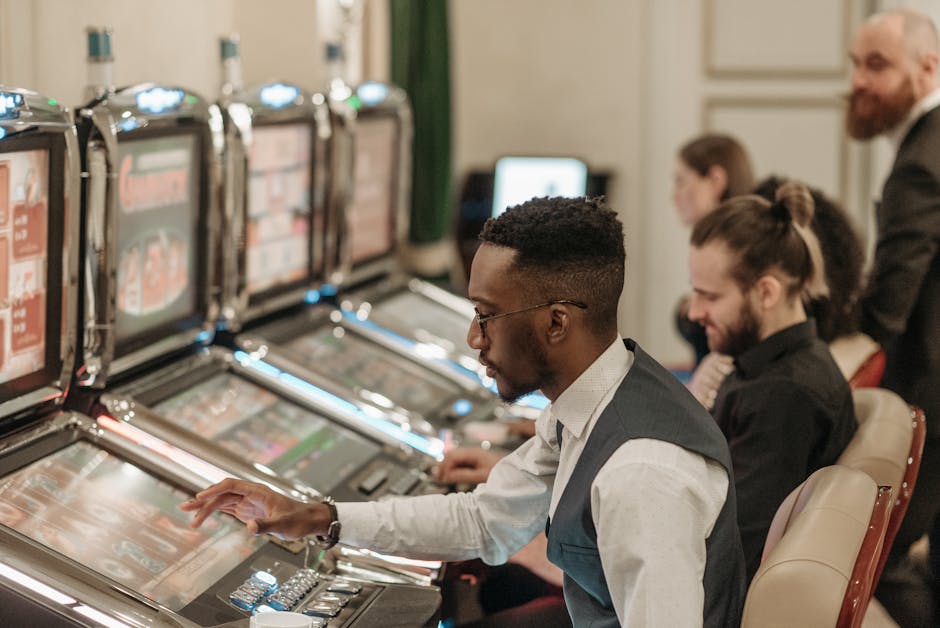
Modern platforms, such as mr Q (mrq.com), exemplify this modern approach. By focusing on clean, intuitive interfaces where progress is clearly mapped, they minimize cognitive load while maximizing engagement. This isn't just about gambling; it's about providing a satisfying, coherent digital experience that keeps the user feeling like they are "achieving" something, even in the absence of a jackpot.
Gamification as a Retention Hook
Progress bars are the backbone of a sophisticated retention strategy. They don't just track individual spins; they track the user's relationship with the brand. Let’s look at how these elements integrate into the broader ecosystem of the app: So anyway, back to the point.
Feature UX Function Retention Hook Daily Progress Bars Encourages daily login habits Building a "streak" momentum Leveling Systems Rewards long-term loyalty Investment of time/effort Tournaments Creates social competition Leaderboard status/prestige Mission Maps Segments long sessions Breaking gameplay into goalsLeaderboards and Social Competition
Once a player has mastered the individual progress bar, apps often introduce leaderboards and tournaments. This moves the experience from a solitary journey to a social contest. When you combine a personal progress bar with a public leaderboard, you create two distinct types of engagement hooks: internal (self-improvement) and external (social status). This is why you see apps highlighting top performers—it triggers the competitive instinct that keeps users coming back long after they might have stopped if they were playing in isolation.
The Future of Slot Engagement Loops
As responsive design continues to evolve, we are likely to see even more granular, personalized progress tracking. Imagine a progress bar that isn't just generic, but adapts to your playing style—perhaps it fills faster on your favorite games or offers custom challenges based on your historical behavior. This level of personalization is the next frontier of reward tracking casino design.
However, as we move forward, Browse around this site the focus must remain on balanced design. The best apps use these hooks to enhance the entertainment value, rather than purely to manipulate spend. When executed with a "user-first" mentality, gamification makes the digital casino experience feel more like a video game and less like a transactional utility. That is the gold standard for modern mobile developers.
Conclusion: The "Visible" Win
Why do casino apps use progress bars? Because in the vast, infinite ocean of digital content, players need a compass. They need to know that their time, their attention, and their play have a trajectory. The progress bar provides that clarity, turning the abstract experience of spinning digital reels into a tangible, goal-oriented achievement.
Ever notice how whether you are a casual player enjoying the aesthetic polish of an app like mr q (mrq.com) or a design enthusiast watching the industry shift, it is clear that gamification is here to stay. Through the clever use of visual cues, mobile casinos have turned retention into an art form, ensuring that as long as the bar is moving, the player remains engaged. In the world of smartphone-based entertainment, that visual feedback isn't just part of the game—it *is* the game.